
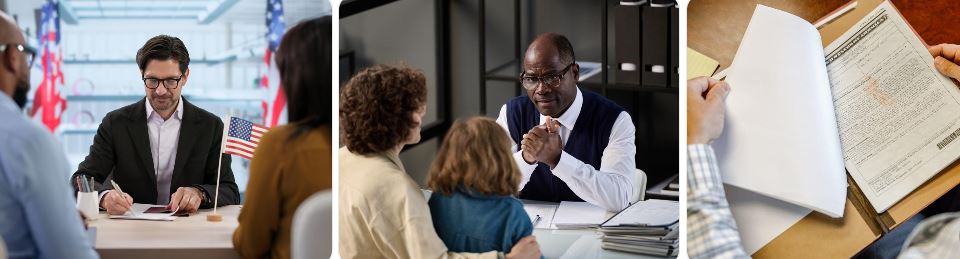
For many immigrants seeking a green card, unlawful presence can create a major obstacle. The Form I-601A Provisional Unlawful Presence Waiver offers a pathway to overcome this barrier and continue the immigration process with reduced time spent outside the United States.
Understanding who qualifies—and how to properly apply—is critical. With the guidance of an experienced immigration attorney, applicants can significantly improve their chances of approval.
What Is the I-601A Unlawful Presence Waiver?
The I-601A waiver allows certain individuals who have accrued unlawful presence in the U.S. to request forgiveness before leaving the country for their immigrant visa interview.
Normally, individuals who remain unlawfully in the U.S. for more than 180 days may face 3-year or 10-year reentry bars once they depart.
This waiver helps reduce family separation by allowing applicants to resolve this issue in advance, minimizing time spent outside the U.S. during consular processing.
Who Qualifies for Form I-601A?
To be eligible for a provisional unlawful presence waiver, applicants must meet strict requirements established by USCIS.
Key eligibility criteria include:
-
Being physically present in the United States at the time of application
-
Being 17 years of age or older
-
Having an approved immigrant visa petition (such as a family-based petition)
-
Demonstrating that denial would cause extreme hardship to a qualifying relative (U.S. citizen or lawful permanent resident spouse or parent)
-
Being inadmissible only due to unlawful presence (not other issues like criminal grounds)
Additionally, applicants generally must not have active removal proceedings or a final order of deportation unless specific conditions are met.
What Does “Extreme Hardship” Mean?
One of the most important—and challenging—parts of the I-601A waiver is proving extreme hardship.
This goes beyond normal emotional or financial difficulty. It may include:
-
Serious medical conditions requiring care
-
Financial dependency or loss of income
-
Educational disruptions
-
Emotional or psychological impact on family members
Proper documentation is essential, and this is where legal guidance becomes crucial.
Common Mistakes That Lead to Denials
Many applicants underestimate the complexity of the waiver process. Common errors include:
-
Submitting insufficient evidence of hardship
-
Filing without an approved visa petition
-
Overlooking other grounds of inadmissibility
-
Incomplete or incorrect documentation
Because this is a high-stakes application with no appeal option in many cases, accuracy is critical.
How an Immigration Lawyer Can Help
1. Case Evaluation and Strategy
An experienced attorney will determine whether you truly qualify and identify any risks before filing.
2. Strong Hardship Documentation
Lawyers help gather and present compelling evidence to meet the “extreme hardship” standard.
3. Avoiding Costly Mistakes
Errors can delay your case or lead to denial. Legal guidance ensures your application is complete and accurate.
4. Guidance Through Consular Processing
Even after approval, applicants must attend an interview abroad. A lawyer prepares you for each step of the process.
5. Peace of Mind
Immigration law is complex. Having professional support reduces stress and uncertainty.
Why Legal Representation Matters
The I-601A waiver is not just paperwork—it’s a legal argument that must be carefully built and supported with evidence. Working with a qualified immigration attorney can make the difference between approval and denial.
For families trying to stay together, having the right legal strategy is essential.
If you or a loved one may qualify for an I-601A unlawful presence waiver, don’t navigate the process alone.